On the Act of Erasure
There is a moment in every painting where I have to decide whether to keep what I have built or begin removing it…
I have been thinking about removal. Not destruction — removal. The distinction matters to me because destruction implies violence and finality, whereas removal suggests a more tender reckoning with what has already happened.
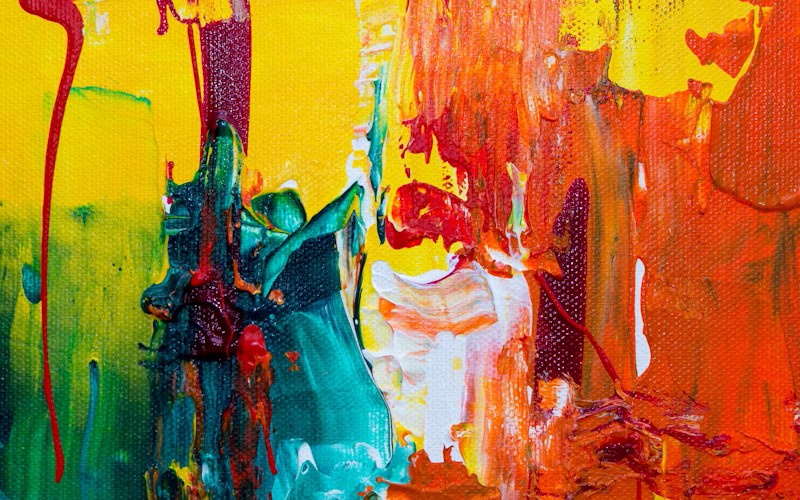
In the studio, I work in layers. I build up a surface with oil paint and cold wax medium over several sessions, letting each layer fully cure before proceeding. The result, after weeks, is a painting that has depth — not illusionistic depth, not the appearance of space, but actual physical accumulation. History you can touch.
Then I start taking it away. I use palette knives, mineral spirits, rags, sometimes sandpaper. I scrape back through the layers I’ve built, uncovering what was buried. This is not destruction. The layers don’t disappear — they leave traces. A ghost of cerulean blue through a scrim of white. A smear of raw sienna beneath a field of grey.
What I am after, in these moments of removal, is the painting’s memory. The evidence that something happened here before this. I want the surface to hold time.
The Erasure Studies are the most direct expression of this impulse. I begin each one with a fully resolved painting — something I consider finished — and then begin taking it apart. What remains is never nothing. It’s everything that refused to leave.